SLA Resins: Precision 3D Printing with a Smooth Surface Finish
SLA (Stereolithography) printing uses a UV laser to cure liquid photopolymer resin layer by layer, achieving precision down to 25 μm, far exceeding FDM printing. The result is parts with smooth surfaces, sharp details, and virtually invisible layer lines.
We print SLA on Formlabs printers with six resins. Four general-purpose Standard resins (Grey, Black, White, and Clear) cover presentation models, concept reviews, and transparent parts. Two engineering resins step up the performance: Tough 2000 matches the strength and toughness of ABS, while Rigid 10K is a glass-filled resin with extreme stiffness and a 238 °C heat deflection temperature.
SLA is the right choice when you need a high level of detail and a smooth surface: presentation prototypes, parts with fine features, transparent components, jigs and fixtures, and engineering parts under mechanical or thermal load. Pick a specific resin below, or upload your model to our instant calculator, the only instant SLA quoting tool in Croatia.
Our work
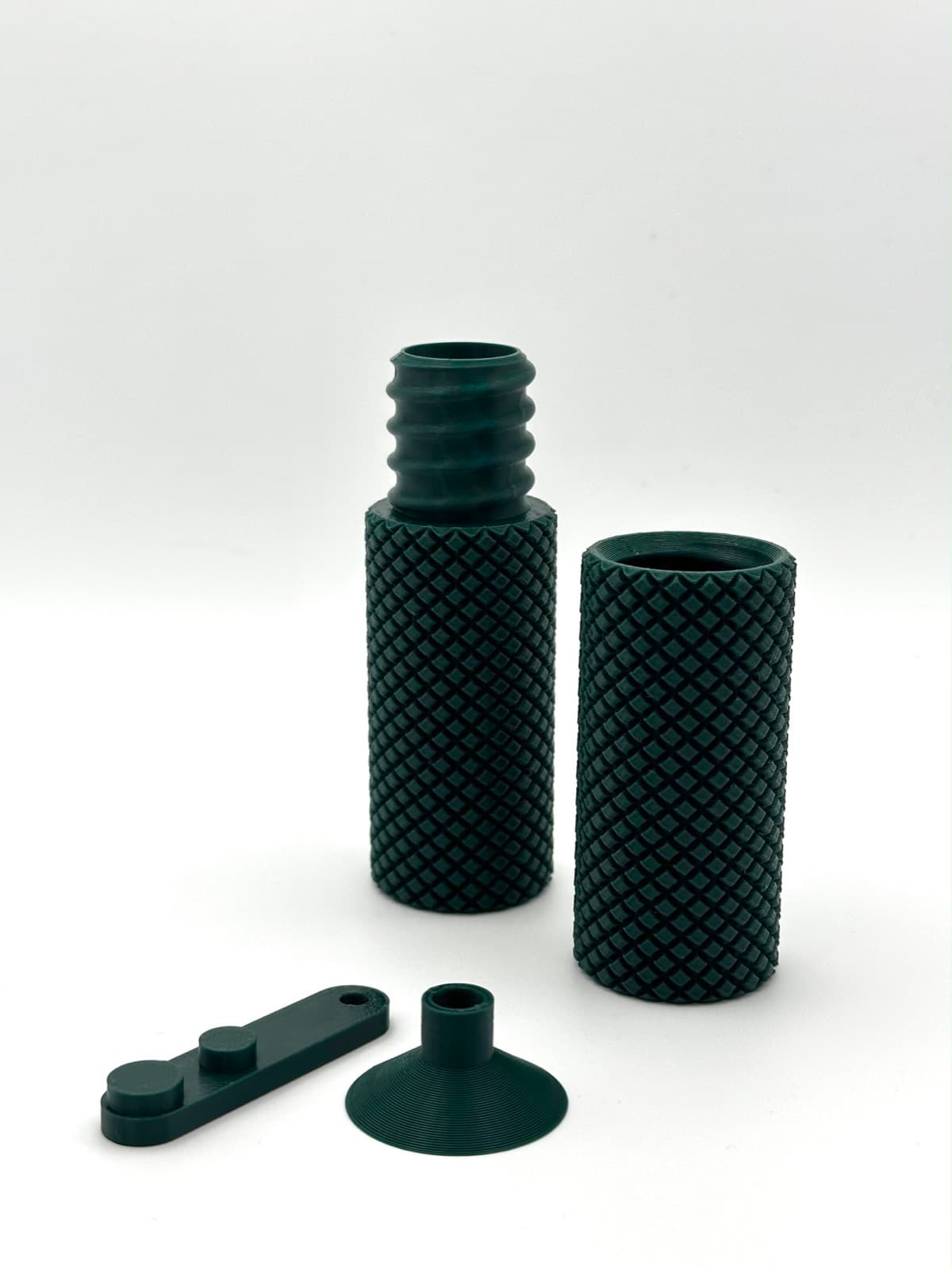
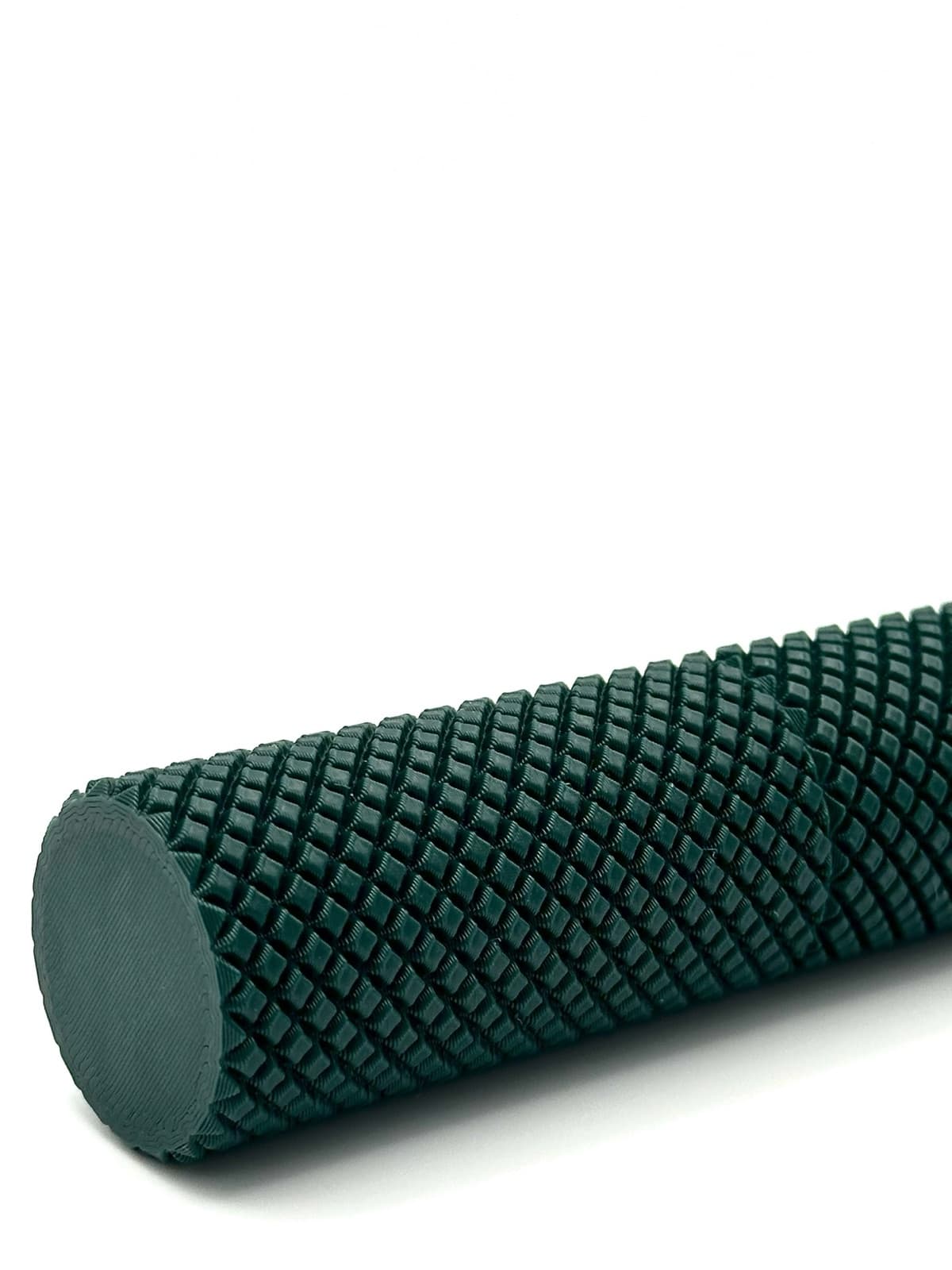
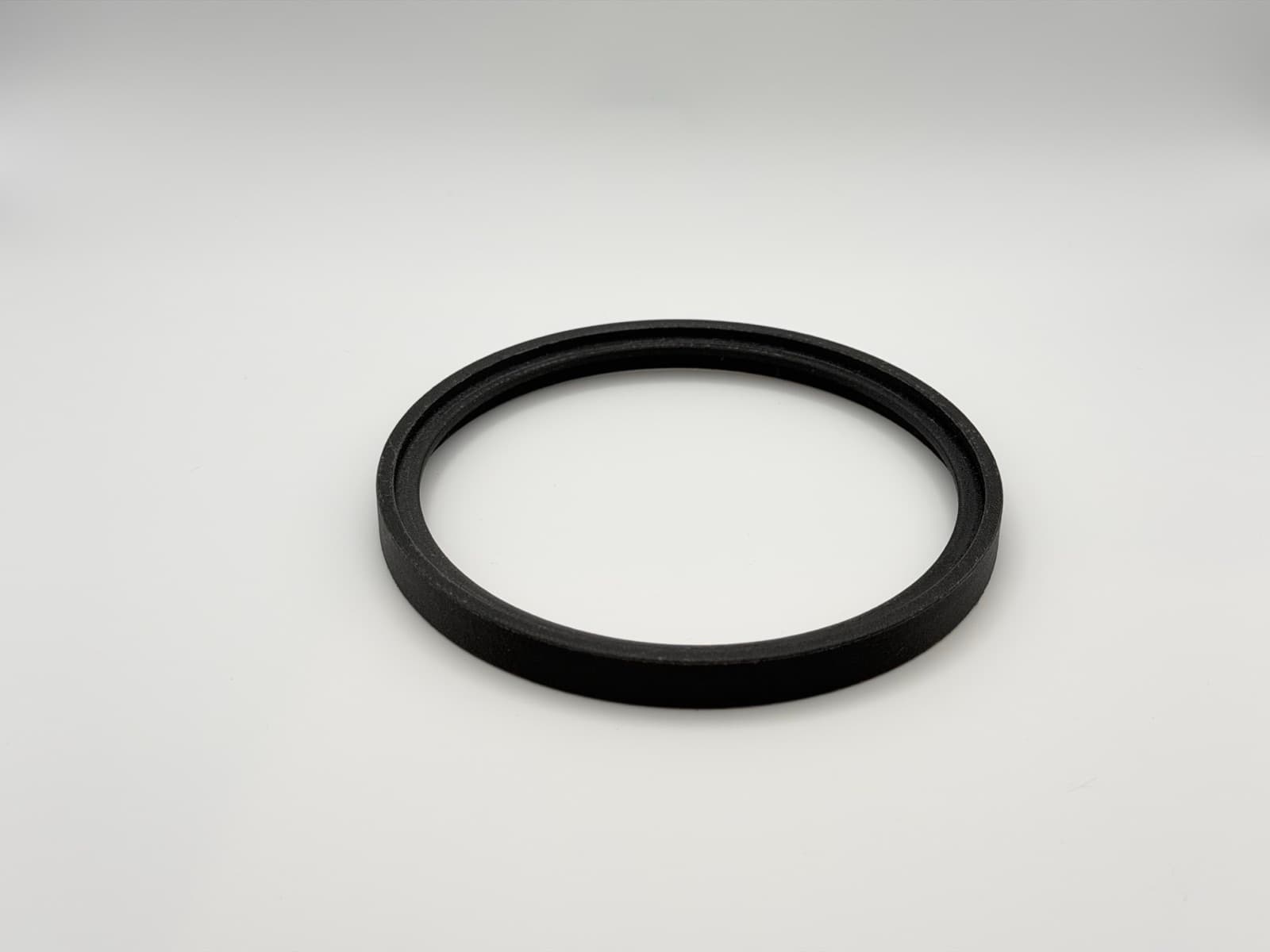
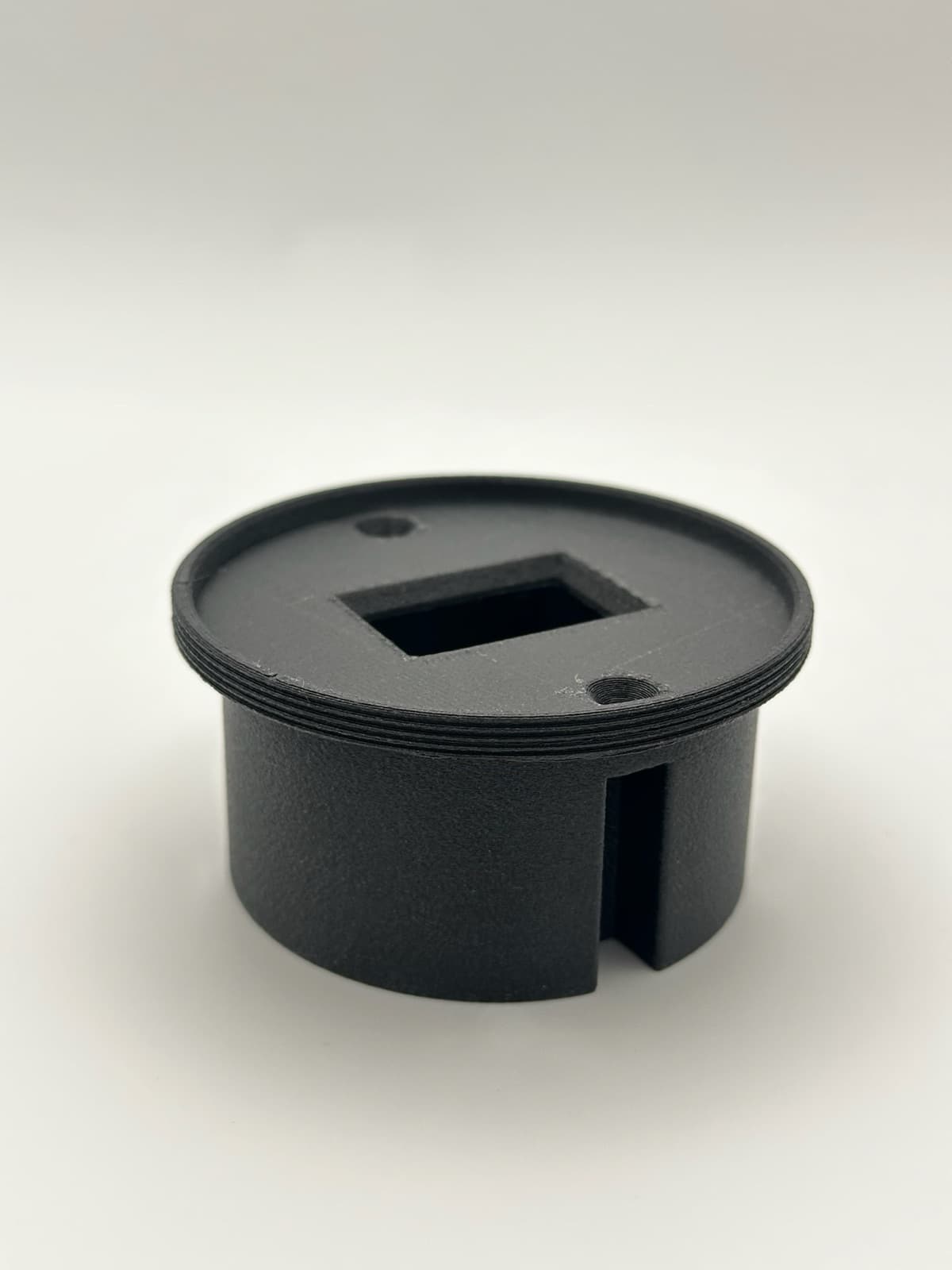
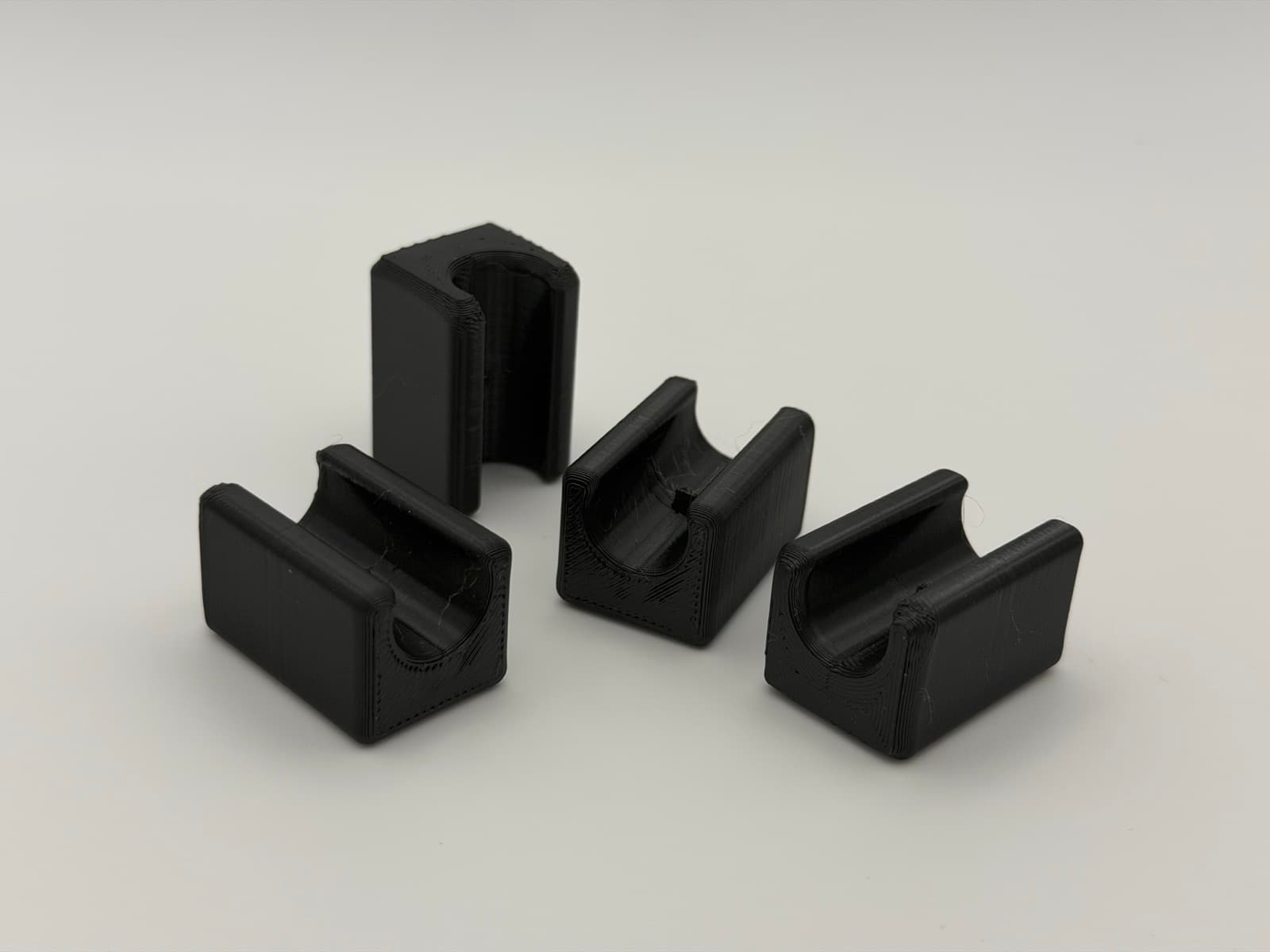
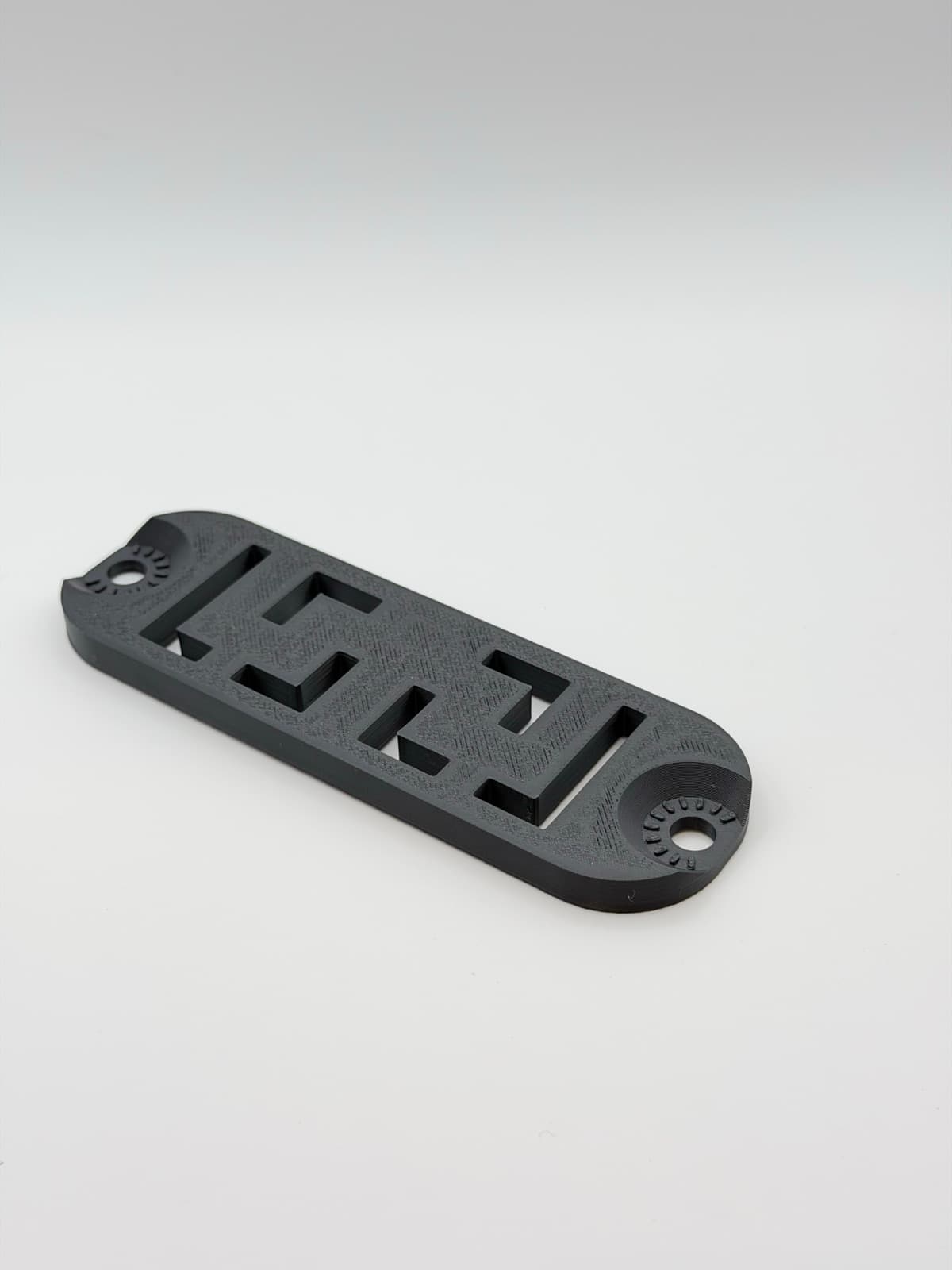
Real parts 3D printed in our workshop, from functional brackets to multicolor promotional keychains.
Properties
- Technology
- SLA (Stereolithography)
- Printer
- Formlabs Form 3L / Form 4
- Strength
- Medium to High (resin-dependent)
- Flexibility
- Low to High (resin-dependent)
- Precision
- Down to 25 μm
- Surface Finish
- Smooth, nearly invisible layers
Advantages
- +Exceptional precision and detail (down to 25 μm)
- +Smooth surface with no visible layer lines
- +Six resins: four Standard, two engineering
- +Transparent parts possible with Clear Resin
- +Engineering resins as strong as ABS
Disadvantages
- −Higher cost than FDM printing
- −Requires post-processing (washing and UV curing)
- −Fewer colour options than FDM filaments
- −Standard resins can be brittle
- −Sensitive to prolonged UV exposure
Use Cases
- Presentation and concept models
- Parts with fine features and detail
- Transparent enclosures and optical parts
- Functional and engineering prototypes
- Jigs, fixtures, and tooling
Print with Resin (SLA)
Upload your 3D model and select this material for an instant quote.
Get a quote